
History & Heritage
Hikurangi is a township rich in Māori heritage and colonial stories, from Ngāti Kahu roots to timber milling, coal mining, gumdigging and limestone quarrying. The Hikurangi Museum offers a fascinating glimpse into this past, showcasing local treasures and community history. Explore more below to see how Hikurangi’s journey has shaped the vibrant town you find today



Ngāti Kahu to Coal Mining
Hikurangi was originally inhabited by the Ngāti Kahu iwi (tribe), and the name “Hikurangi” translates to “the mountain of light,” a name that evokes the importance of the land and its connection to the sky. Local Māori culture is an integral part of the town’s identity and is celebrated through events, traditions, and community stories.
The town’s proximity to the Whangarei Heads and the Hatea River further enriches its heritage, linking Hikurangi to both Māori and colonial histories. Hikurangi began as a timber milling town in the 1860’s. European settlers lived among the dense bush of rimu, totara and other mature trees.
When a road was constructed to Whangarei in 1874, a sawmill was established and timber was able to be taken to Whangarei for further transportation. Coal was discovered in 1863 while men were digging for gum.
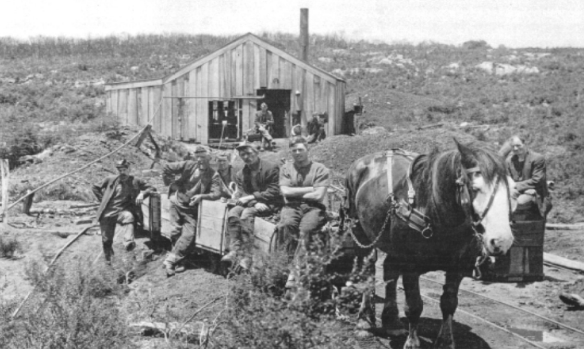
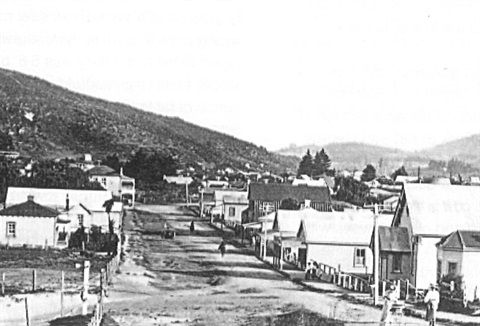
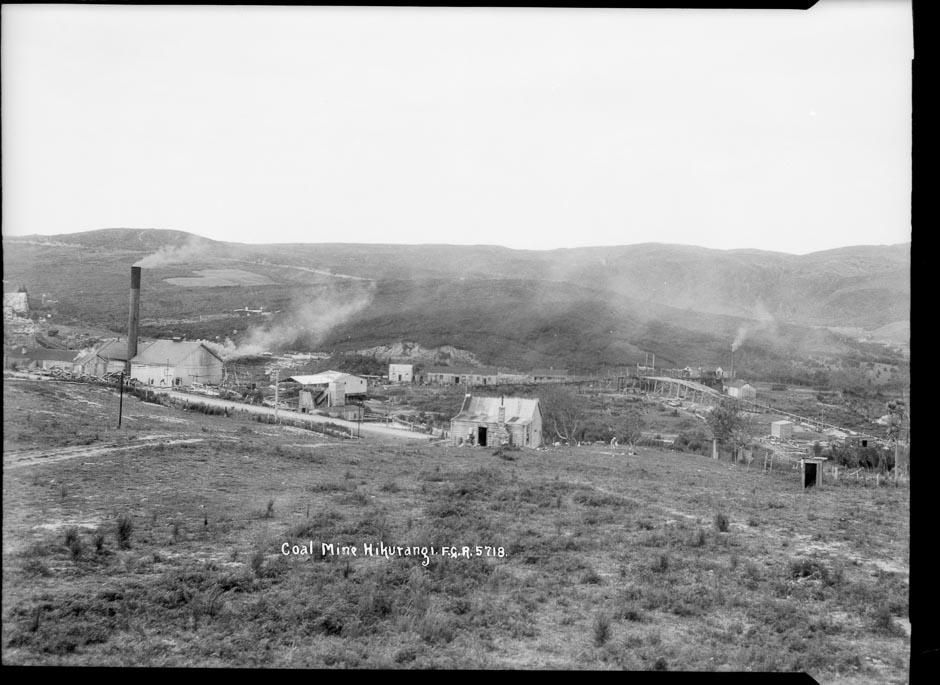
The first coal mine, named ‘Keep In Dark’, was opened in 1889 and many other mines followed with the Hikurangi Coal Mining Company being the largest in the district. Gum digging and limestone quarrying were also important economically, but coal mining was the main industry turning Hikurangi into a thriving township with a school, hotel, and blacksmith. Eventually coal became depleted, and the last mine was closed in 1971.
Today Hikurangi is a small township with a strong community spirit, with many social and sporting clubs, a full sized golf course, school, preschools, and a vibrant business community.


